
“`html
How to Teach Music Effectively Online
Table of Contents
- Do Online Music Lessons Work?
- How to Teach Music Online: 6 Steps
- What Music Lessons Can You Teach Online?
- Examples of Online Music Schools
- Teach Music Online With LearnWorlds
- Start Monetizing Your Skills
- Frequently Asked Questions (FAQs)
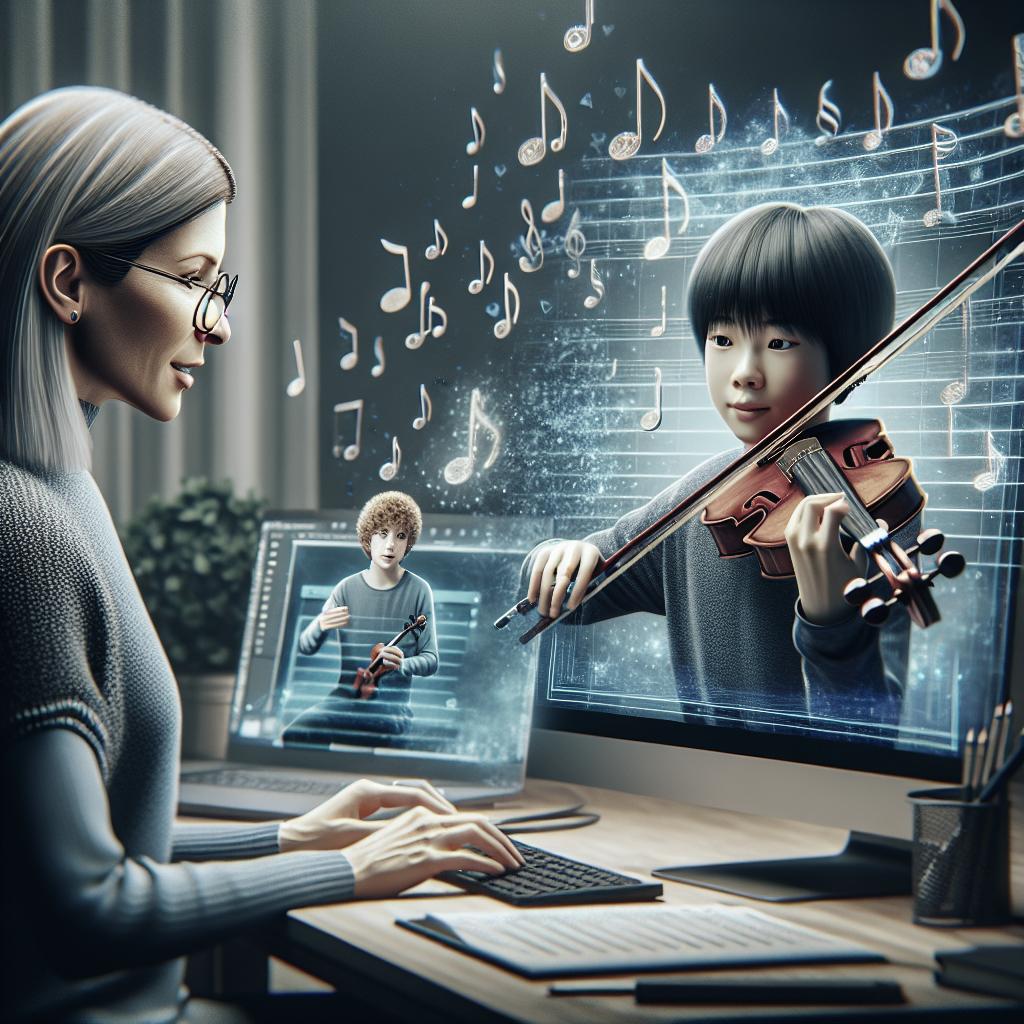
In a world driven by digital innovation, teaching music online has become an effective way to reach students. Along with convenience, it offers educators an opportunity to tap into a wider audience, allowing them to share their passion and expertise globally. This post covers the viability of online music lessons, steps for effective teaching, variety of instruments one can instruct, and examples of successful online institutions. Additionally, we explore how platforms like LearnWorlds can facilitate your teaching process. Whether you’re an expert tutor or just beginning, this guide serves as an essential resource for mastering the art of online music instruction and maximizing your potential income.
Do Online Music Lessons Work?
They save time
Online music lessons are a boon for both teachers and students, primarily because they save significant time. Instead of commuting to a physical location, sessions can be held from the comfort of one’s home, allowing schedules to be more flexible and time-efficient. This way, instructors can accommodate more students while also having time to focus on developing their curriculum.
The absence of travel contributes to more productive hours in the day. Instructors can use this additional time for lesson planning, keeping up with the latest teaching technologies, or honing their own musical skills. As a result, they can provide better quality education to their students.
They cost less
Transitioning to online music lessons can significantly cut down on costs for both teachers and students. Without the need to rent a physical studio space, instructors save on overhead expenses, which can translate to more affordable tuition rates for students. Furthermore, necessary tools for virtual instruction often come at a one-time cost instead of ongoing fees.
Online lessons also eliminate travel expenses. Students can take lessons from anywhere, be it their home or while traveling, and teachers don’t have to worry about commute-related costs. This affordability makes learning music more accessible to a wider audience.
They require less effort
Convenience is a key feature of online music teaching. Teachers can set up their workspace as a permanent studio, reducing the need for time-consuming setup and teardown before and after each lesson. This also allows them to focus on the lesson content and student progress.
Students, too, enjoy this flexibility as they can learn in a comfortable environment where they feel at ease. The reduced effort required for both parties contributes to a more relaxed, conducive learning setting.
They attract more students
By offering music lessons online, instructors can expand their reach far beyond their local area. The internet removes geographical limitations, allowing teachers to connect with students from different cities, states, or even countries. This opens up a wider audience willing to learn from qualified professionals who might not be accessible to them otherwise.
Online platforms also facilitate the creation of diverse marketing channels, such as social media and email campaigns, to attract potential students. These tools enable teachers to effectively communicate their offerings and advantages to a broad demographic.
They can increase your revenue
The ability to take on more students through online means can directly contribute to increased revenue for music instructors. Freed from the constraints of geographical location or a limited time schedule, teachers can serve multiple time zones and reach audiences worldwide.
Moreover, online lessons can be monetized through various models such as subscription services, pay-per-class options, or downloadable course packages, offering multiple streams of income.
How to Teach Music Online: 6 Steps
Step #1: Think about what you want to teach (and how)
The first step in any teaching endeavor is to determine your subject focus and methodology. What instruments do you specialize in? Are there particular skills or music genres you’re passionate about? Define what sets you apart from other music teachers and how you can convey this to your students.
It’s important to tailor your teaching style to online formats. Consider breaking down larger concepts into bite-sized, digestible lessons that can be effectively communicated via digital platforms. Establishing clear learning outcomes for your students will ensure that both you and they have a goal to strive toward.
Step #2: Assemble your equipment
Investing in the right equipment is key to providing high-quality online music lessons. This may include a good quality webcam and microphone to capture both video and audio effectively. Ensure that your internet connection is stable to avoid interruptions during live sessions.
Consider using additional tools such as screen sharing software or digital whiteboards to enhance the learning experience. Setting up a professional backdrop can also help create an environment that supports concentration and engagement.
Step #3: Prepare your teaching space
Your physical environment plays a significant role in the success of online teaching. Designate a specific area in your home or studio that is free from distractions and set up specifically for conducting lessons. This will help create a professional atmosphere.
Lighting and acoustics are also important factors. Ensure the space is well-lit so students can clearly see demonstrations. Soundproofing your teaching area can enhance audio quality, ensuring your instructions are clear and effective.
Step #4: Record your music lessons
Recording lessons can serve multiple purposes; they provide a resource for students to revisit challenging concepts and offer teachers material for self-evaluation and improvement. High-quality recorded lessons can also be packaged and sold as courses.
When recording, make sure your setup captures both the visual and auditory components effectively. It’s also helpful to edit the videos to remove unnecessary content, making them more engaging and focused for the students.
Step #5: Create a music curriculum
Establishing a comprehensive curriculum is crucial for structured learning. Break down the learning journey into stages, ensuring there’s progression with each lesson. Make room for theory, practice, and periods of assessment to track student development.
A well-structured curriculum not only aids in student retention but also attracts prospective students looking for a tried-and-tested pathway to mastering their instrument.
Step #6: Promote your music lessons
Marketing is fundamental to reaching a broad audience. Utilize social media platforms, music forums, and online communities to create awareness about your music lessons. Create engaging content like teaching previews or testimonials to attract prospective students.
Consider building a personal website or a blog where interested individuals can easily locate your services and contact information. SEO strategies can help your website rank higher in search results, drawing more attention to your offerings.
Your professional looking Academy in a few clicks
Several online platforms facilitate the creation of professional music academies with minimal technical expertise required. Platforms like LearnWorlds provide customizable templates and tools to help you launch your online music school effortlessly.
With user-friendly interfaces, these platforms help in creating a seamless and professional experience for both educators and students, allowing you to focus on delivering quality music education.
What Music Lessons Can You Teach Online?
Teach Piano Online
The piano is one of the most popular instruments for online instruction due to its widespread appeal and accessibility. Virtual lessons can focus on scales, music theory, or performance techniques, catering to beginners and advanced students alike.
Piano teachers can take advantage of various online tools to demonstrate techniques and interactive applications that help students practice in their own time.
Teach Guitar Online
Guitar lessons are well-suited to an online format, enabling instructors to reach international audiences with different music tastes. Instructors can offer courses across a variety of genres including classical, rock, or jazz, providing a diverse learning experience.
With video demonstrations, students can visually grasp chord shapes and strumming patterns, progressing at their own pace with the guidance of a skilled instructor.
Teach Violin Online
Although the violin presents unique challenges in an online setting, with the right approach, it can be effectively taught. Instructors can focus on posture, bowing techniques, and repertoire through screen demonstrations and comprehensive feedback.
Online platforms allow violin teachers to provide exercises and sheet music, facilitating practice outside of lesson times and solidifying learning outcomes.
Teach Mandolin Online
The mandolin, with its distinct sound and playing style, holds a special place in the hearts of music enthusiasts. Online lessons can encompass a variety of genres such as bluegrass, classical, and folk.
By breaking down techniques into manageable segments, students can quickly learn to navigate the mandolin’s unique challenges under the guidance of an experienced tutor.
Teach Saxophone Online
The saxophone is a versatile instrument popular in jazz and classical music. Online lessons can focus on breathing techniques, finger positioning, and music improvisation, providing a comprehensive learning pathway.
Instructors can leverage tools such as backing tracks and sheet music PDFs to supplement the online learning experience, facilitating a rich and engaging musical journey.
Teach Flute Online
The flute, known for its sweet sound and technical demands, requires dedicated instruction. Online lessons can be structured around embouchure, scales, and varied repertoire, complementing student development.
Flute teachers can utilize digital resources to share sheet music and practice exercises, ensuring students have all the tools necessary to improve their skills.
Teach Singing Online
Singing lessons have gained immense popularity online, providing students worldwide access to professional vocal coaches. Instructors can focus on different vocal techniques, including pitch control, breath management, and performance skills.
Digital platforms can be used to share practice materials, backing tracks, and video feedback, fostering a comprehensive learning environment for budding vocalists.
Examples of Online Music Schools
Example 1: Improv Piano Tips
Improv Piano Tips is an online school specializing in piano improvisation. With structured courses and engaging content, it caters to learners looking to enhance their creative playing skills.
Through a combination of online resources and personalized feedback, this school has built a reputation for guiding students to achieve their musical goals efficiently.
Example 2: MusicMatchr
MusicMatchr is a platform offering courses across different instruments and skill levels. It stands out for its student-centric approach, focusing on personalizing the learning experience to suit individual preferences.
The platform provides interactive tools and resources that help students practice effectively and engage deeply with their chosen instrument.
Example 3: Punkademic
Punkademic offers a range of online music courses covering numerous genres and theoretical concepts. Known for its unique approach and engaging instruction, it has become popular with students looking to explore unconventional music pathways.
The platform prides itself on delivering high-quality content that supports self-paced, flexible learning tailored to the needs of diverse students.
Teach Music Online With LearnWorlds
Come up with unique music learning content
LearnWorlds offers tools that support the creation of unique music learning content. Instructors can design courses that incorporate innovative teaching methods, ensuring an engaging learning experience for students.
Customization options allow teachers to differentiate their content, catering to a wide range of musical interests and skill levels among students.
Conduct live music classes with the Zoom integration
With seamless Zoom integration, LearnWorlds makes it easy to conduct live music classes. This feature facilitates real-time interaction, allowing instructors to provide immediate feedback and adapt to student queries on the spot.
Interactive live sessions can enhance student engagement, making virtual learning feel more personal and dynamic.
Create a trusting and welcoming community
Building an online community is vital in fostering a supportive learning environment. LearnWorlds provides features that enable interaction among students, facilitating peer learning, and networking.
By fostering a sense of community, students and teachers can engage in discussions, share insights, and encourage each other, enhancing the overall educational experience.
Come up with unique music lessons using our Interactive Video
Interactive videos offered by LearnWorlds enable music teachers to create immersive lessons that capture student interest and aid in retention. Features such as embedded quizzes and annotations can make learning more engaging and interactive.
These dynamic lessons can serve to clarify complex musical concepts, making them more accessible and enjoyable for students.
Manage your students’ progress using a gradebook
Keeping track of student progress is easier with LearnWorlds’ gradebook feature. This tool allows teachers to monitor and record student achievements, creating a clear visual of each student’s journey and areas that may need improvement.
Effective progress tracking not only aids in identifying student strengths and weaknesses but also enhances the potential for tailored, personalized instruction.
Start Monetizing Your Skills
Your professional looking Academy in a few clicks
Establishing an online music academy is an effective way to monetize your teaching skills while reaching a global audience. With platforms like LearnWorlds, creating a professional-looking academy is straightforward and quick, offering a high return on investment.
By presenting a credible and accessible platform for learning, teachers can expand their student base and revenue streams, all while doing what they love—teaching music.
Frequently Asked Questions (FAQs)
Q.1: How to teach virtual music lessons?
Teaching virtual music lessons involves embracing digital tools to facilitate remote instruction. This includes using video conferencing software, interactive teaching materials, and maintaining clear communication with students to ensure effective learning.
Q.2: How to teach music theory online?
Teaching music theory online requires breaking down complex concepts into comprehensible lessons. Utilize online resources such as digital worksheets, video tutorials, and interactive quizzes to reinforce theory knowledge.
Q.3: How to teach elementary music online?
Engaging younger students requires creativity in lesson planning. Combine fun activities with instructional content to maintain their interest and encourage active participation in learning music fundamentals.
Q.4: How to teach general music online?
Teaching general music online can include a mix of listening exercises, music history, and basic instrument instruction. Resources like digital music libraries and educational videos enhance the learning experience.
Q.5: How to teach group music lessons online?
Conducting group music lessons online involves using platforms that support live interaction, allowing students to collaborate. Structure lessons to include group activities and apply effective organization to manage different skill levels.
Q.6: How to teach instrumental music lessons online?
Successful instrumental lessons online require demonstrative video lessons, personalized feedback, and supplementary materials that support self-practice, aiding students in mastering their instrument.
Q.7: What is the best platform for online music lessons?
The ideal platform for online music lessons depends on your specific needs. Popular choices are Zoom for live sessions, LearnWorlds for comprehensive course management, and YouTube for hosting video tutorials.
Q.8: Is Skype or Zoom better for online music lessons?
Both Skype and Zoom offer video conferencing capabilities suitable for online music lessons. However, Zoom provides additional features like recording and screen sharing, which may offer more benefits for structured lessons.
Next Steps
| Category | Details |
|---|---|
| Viability of Online Lessons | Saves time and costs, requires less effort, attracts more students, increases revenue. |
| Steps to Teach Online | Define teaching goals, gather equipment, prepare space, record lessons, create curriculum, promote lessons. |
| Instruments for Online Teaching | Piano, Guitar, Violin, Mandolin, Saxophone, Flute, Singing. |
| Successful Online schools | Improv Piano Tips, MusicMatchr, Punkademic. |
| Using LearnWorlds | Create unique content, conduct live classes, build community, use interactive videos, track progress. |
“`